Elite athletes spend thousands of hours training their bodies. They build strength, improve endurance, refine technique, and optimize recovery. Yet one of the most important performance systems is often overlooked: the brain.
Every pass, shot, tackle, save, swing, or split-second decision begins long before muscles contract. It begins with the brain's ability to process information, focus attention, make decisions under pressure, and coordinate movement.
Whether you're a professional athlete, collegiate competitor, weekend warrior, or coach, cognitive performance plays a critical role in athletic success.
This growing appreciation for the brain has fueled interest in nootropics for athletes, supplements designed to support mental performance, focus, reaction time, learning, and long-term brain health.
Unfortunately, the supplement industry has responded with countless products promising "limitless focus" or "instant brain power," many supported more by marketing than science.
Some rely almost entirely on caffeine.
Others hide ingredient amounts behind proprietary blends.
Many contain ingredients with limited human evidence.
Even more concerning for competitive athletes, numerous products are not independently tested for banned substances.
The best nootropics for athletes should do much more than provide a temporary energy boost. They should support the brain's ability to perform consistently during training, competition, recovery, and everyday life using ingredients backed by high-quality human research.
In this guide, we'll review what nootropics are, examine the strongest scientific evidence behind today's leading cognitive ingredients, compare several of the most popular products available, and explain what athletes should look for before choosing a supplement.
Whether your goal is improving focus during competition, supporting long-term brain health, reducing mental fatigue, or simply making better decisions under pressure, this guide will help you separate science from marketing.
Table of Contents
- What Are Nootropics?
- Why Cognitive Performance Matters in Sport
- What Makes a Great Nootropic for Athletes?
- The Science Behind the Best Nootropic Ingredients
- Best Nootropics for Athletes Compared
- How to Choose the Right Brain Supplement
- Frequently Asked Questions
- Final Thoughts
What Are Nootropics?
The term nootropic was first introduced in the 1970s to describe substances capable of supporting cognitive function.
Today, the word has become an umbrella term covering everything from caffeine and mushrooms to amino acids and nutrients involved in brain metabolism.
That broad definition has created confusion.
Not every ingredient marketed as a nootropic works the same way.
Some primarily increase alertness.
Others support the brain's energy production.
Some influence neurotransmitter production.
Others may help reduce mental fatigue or improve resilience during stressful situations.
For athletes, understanding these differences matters.
A supplement that simply makes someone feel stimulated isn't necessarily improving cognitive performance.
In fact, relying exclusively on stimulants can sometimes increase anxiety, impair sleep, or create dependency without addressing the underlying biology of brain function.
Instead, the most effective athlete-focused nootropics generally combine ingredients that support several different aspects of brain performance.
These may include:
- Cellular energy production
- Neurotransmitter synthesis
- Mental resilience under stress
- Attention and concentration
- Working memory
- Reaction time
- Long-term brain health
Rather than asking whether an ingredient is a "nootropic," athletes should ask a better question:
Does high-quality human research show that this ingredient meaningfully improves the aspects of cognition that matter for athletic performance?
That simple question eliminates many products while highlighting a much smaller group of evidence-based ingredients.
Why Cognitive Performance Matters in Sport
Physical performance rarely determines athletic success on its own.
The fastest athlete doesn't always make the best decision.
The strongest player doesn't always read the game correctly.
The most technically gifted competitor doesn't always perform under pressure.
Elite sport is fundamentally a cognitive challenge.
Throughout competition, athletes continuously process enormous amounts of information.
They must:
- Anticipate opponents' movements
- Track multiple players simultaneously
- Filter distractions
- Execute learned motor skills
- Adapt strategies in real time
- Regulate emotions under pressure
- Maintain attention despite fatigue
These cognitive demands occur in fractions of a second.
Research has consistently demonstrated that mental fatigue can impair physical performance even when muscles remain capable of producing force.
Athletes experiencing mental fatigue often show:
- Slower reaction times
- Reduced decision-making accuracy
- Lower technical skill execution
- Increased perception of effort
- Decreased endurance performance
In other words, the brain often becomes the limiting factor before the body does.
Supporting brain function therefore isn't separate from athletic performance.
It is athletic performance.
The Brain Is One of the Most Energy-Demanding Organs in the Body
Although the brain represents only about 2% of total body weight, it consumes approximately 20% of the body's resting energy.
Every thought, movement, decision, and memory requires a constant supply of energy.
Unlike skeletal muscle, the brain has very limited energy reserves.
It depends on continuous energy production to maintain normal cognitive function.
During periods of prolonged concentration, competition, travel, inadequate sleep, or psychological stress, these demands increase even further.
This helps explain why athletes frequently report symptoms such as:
- Brain fog
- Mental fatigue
- Difficulty concentrating
- Slower decision-making
- Reduced motivation
- Decreased focus late in games
Nutrition alone cannot eliminate every challenge affecting cognitive performance.
However, evidence increasingly suggests that certain nutrients may help support the brain's ability to meet these demands.
That is where science-based nootropics become relevant.
What Makes a Great Nootropic for Athletes?
The supplement industry offers thousands of products claiming to improve focus, memory, or mental performance.
Only a small percentage deserve serious consideration.
When evaluating a nootropic designed for athletes, several characteristics matter far more than flashy marketing.
1. Human Clinical Research
Animal studies often generate exciting headlines.
However, athletes should prioritize ingredients that have demonstrated meaningful benefits in well-designed human clinical trials.
Evidence should always outweigh marketing.
2. Transparent Ingredient Doses
Many supplements hide behind proprietary blends that reveal the ingredient list without disclosing individual amounts.
Without knowing the dose, it becomes impossible to determine whether an ingredient is included at an effective level.
Transparency allows consumers to compare products against published scientific research.
3. Ingredients That Complement One Another
The strongest formulations rarely rely on one "miracle ingredient."
Instead, they combine ingredients that work through different biological pathways.
For example:
- Creatine supports cellular energy.
- Citicoline supports phospholipid synthesis and attention.
- L-Tyrosine supports neurotransmitter production during stress.
- Paraxanthine promotes alertness through a mechanism distinct from traditional caffeine.
- Ashwagandha may help support resilience during periods of chronic stress.
Each ingredient addresses a different aspect of cognitive performance.
4. NSF Certified for Sport®
Competitive athletes should strongly consider supplements that are NSF Certified for Sport®.
This independent certification helps verify that products have been tested for substances banned by many major sporting organizations while also confirming label accuracy and manufacturing quality.
Although certification cannot guarantee competitive success, it can reduce unnecessary risk associated with contaminated supplements.
For professional, collegiate, Olympic, and elite youth athletes, this should be a major consideration when selecting any supplement.
5. Long-Term Brain Support
Many products are designed to create an immediate sensation rather than deliver meaningful physiological benefits.
Athletes should think beyond today's workout.
The ideal brain supplement supports consistent cognitive performance throughout an entire season while also contributing to long-term neurological health.
Supporting the brain today may help athletes perform better tomorrow, but it may also influence how well they think, learn, and function years after competition has ended.
The Science Has Improved Dramatically
Only a decade ago, conversations around nootropics were dominated by stimulants and speculative ingredients.
Today, the scientific landscape is far stronger.
Researchers now better understand how nutrition influences brain energy metabolism, neurotransmitter production, oxidative stress, inflammation, sleep, recovery, and cognitive resilience.
This growing body of evidence allows athletes to move beyond hype and toward ingredients supported by rigorous science.
In the next section, we'll examine the evidence behind the most promising nootropic ingredients available today and explain which ones deserve a place in an athlete's daily routine.
The Most Science-Based Nootropic Ingredients for Athletes
Not every ingredient marketed as a nootropic deserves a place in an athlete's supplement routine. Some have been studied extensively in humans, while others rely primarily on animal research or anecdotal reports.
Below are several of the most promising ingredients based on the current scientific literature.
Creatine: The Most Overlooked Brain Supplement in Sports Nutrition
When most athletes hear the word creatine, they immediately think about muscle growth and strength.
That makes sense. Creatine is one of the most researched and effective sports nutrition ingredients ever studied for improving high-intensity exercise performance.
What many people don't realize is that creatine also plays a critical role inside the brain.
Like skeletal muscle, brain cells require enormous amounts of energy to function efficiently. Every decision, reaction, memory, and movement depends on the rapid production of adenosine triphosphate (ATP), the body's primary energy currency.
Creatine helps replenish ATP during periods of high demand.
Although the brain represents only about 2% of total body weight, it consumes approximately 20% of the body's resting energy. Supporting this energy system has become an exciting area of neuroscience research.
Over the past decade, researchers have investigated creatine's potential effects on:
- Mental fatigue
- Working memory
- Cognitive performance during sleep deprivation
- Executive function
- Reaction time
- Brain recovery following neurological stress
The strongest evidence appears in situations where the brain is under increased demand, such as prolonged mental work, inadequate sleep, intense training, or diets naturally lower in creatine, including vegetarian and vegan eating patterns.
For athletes who travel frequently, train multiple times per day, balance school or work alongside sport, or experience demanding competitive schedules, supporting brain energy may become just as important as supporting muscle energy.
Creatine is also one of the few ingredients with decades of safety data, making it an attractive foundation for a daily brain support strategy.
Bottom line: If you could choose only one evidence-based ingredient for supporting both physical and cognitive performance, creatine would likely be the strongest place to start.
Citicoline (Cognizin®): Supporting Attention and Mental Processing
Citicoline is one of the best-studied ingredients for cognitive performance.
Once absorbed, it provides compounds used to produce phosphatidylcholine, an important structural component of brain cell membranes.
It also supports acetylcholine production, one of the neurotransmitters involved in learning, attention, and memory.
Several human studies suggest citicoline may help improve:
- Sustained attention
- Processing speed
- Working memory
- Executive function
- Mental focus
Unlike high-dose stimulants, citicoline does not work by forcing the nervous system into a heightened state of activation.
Instead, it appears to support normal brain function through several complementary biological pathways.
This makes it particularly attractive for athletes looking for consistent mental performance without excessive stimulation.
Citicoline is commonly included in premium cognitive formulations because it complements ingredients that support brain energy, such as creatine.
Bottom line: Citicoline is among the strongest evidence-based nootropic ingredients currently available and may support attention, focus, and mental performance during both training and everyday cognitive demands.
L-Tyrosine: Helping the Brain Perform Under Stress
Elite competition places enormous demands on the nervous system.
Sleep loss.
Travel.
Pressure.
Cold environments.
High cognitive workloads.
All of these increase the demand for neurotransmitters such as dopamine and norepinephrine.
L-Tyrosine serves as a precursor for producing these important neurotransmitters.
Unlike ingredients that simply stimulate the nervous system, tyrosine appears most beneficial when the brain is operating under stressful conditions.
Numerous studies involving military personnel, emergency responders, and sleep-deprived individuals suggest tyrosine may help preserve aspects of cognitive performance during periods of acute stress.
Athletes frequently experience similar situations throughout a competitive season.
Long travel days.
Late-night competitions.
Tournament schedules.
Academic demands.
Playoffs.
Although tyrosine is not a magic solution, it may help support mental resilience when the brain is challenged.
Bottom line: L-Tyrosine appears especially useful for maintaining cognitive performance during stressful situations rather than dramatically improving normal performance.
Paraxanthine: A New Generation of Performance Stimulant
Most athletes are familiar with caffeine.
Far fewer have heard of paraxanthine.
Paraxanthine is the primary metabolite produced after the body breaks down caffeine. In recent years, it has emerged as an exciting ingredient because researchers believe it may deliver many of caffeine's performance benefits while potentially producing fewer undesirable side effects.
Early human research suggests paraxanthine may support:
- Alertness
- Reaction time
- Focus
- Cognitive performance
- Physical performance
Many users also report experiencing less jitteriness and less of the post-stimulant crash commonly associated with high doses of caffeine.
While research continues to evolve, paraxanthine represents one of the most promising developments in sports nutrition over the past several years.
For athletes who struggle with traditional pre-workout products or experience excessive nervousness from caffeine, paraxanthine may become an attractive alternative.
Bottom line: Early evidence suggests paraxanthine may offer many cognitive benefits associated with caffeine while potentially improving tolerability.
Lion's Mane Mushroom: Promising, But Still Emerging
Lion's Mane has become one of the most talked-about natural nootropics.
Laboratory research suggests compounds within Lion's Mane may influence nerve growth factor, a protein involved in neuron growth and maintenance.
Several small human studies have reported improvements in aspects of cognitive function among older adults and individuals experiencing mild cognitive concerns.
However, evidence specifically involving healthy athletes remains limited.
That does not mean Lion's Mane lacks value.
It simply means the science is still developing.
Athletes should view Lion's Mane as an interesting adjunct ingredient rather than one of the primary foundations of an evidence-based nootropic.
Bottom line: Lion's Mane shows promise, but larger, higher-quality human studies are still needed before strong conclusions can be made for athletic performance.
Ashwagandha: Supporting Stress, Recovery, and Cognitive Resilience
Elite sport places continual stress on both body and mind.
Ashwagandha has traditionally been classified as an adaptogen, a group of compounds believed to help the body adapt to stress.
Modern research suggests ashwagandha may support:
- Stress management
- Sleep quality
- Recovery
- Mood
- Certain aspects of cognitive performance
For athletes, one of the most interesting aspects of ashwagandha may be its ability to support consistent performance during prolonged periods of heavy training.
Because recovery and cognitive performance are closely connected, ingredients that improve sleep and stress resilience may indirectly benefit athletic decision-making and focus.
Bottom line: Ashwagandha appears particularly valuable for supporting recovery and resilience rather than acting as an acute cognitive enhancer.
N-Acetyl Cysteine (NAC): Supporting the Brain's Natural Defence Systems
N-Acetyl Cysteine, commonly called NAC, serves as a precursor for glutathione, one of the body's most important endogenous antioxidants.
Researchers have investigated NAC across a wide range of neurological and psychiatric conditions because oxidative stress appears to contribute to many forms of brain dysfunction.
Although research involving healthy athletes remains relatively limited, NAC has attracted growing interest because of its potential role in supporting cellular resilience during periods of high physiological stress.
Its mechanisms differ substantially from stimulants or neurotransmitter-focused ingredients.
Instead, NAC supports the body's own antioxidant defence systems.
That complementary mechanism makes it an interesting addition alongside ingredients that support energy metabolism and neurotransmitter function.
Bottom line: NAC is an intriguing ingredient with growing scientific interest, although additional athlete-specific research is still needed.
Ingredients That Deserve More Skepticism
Not every ingredient marketed as a nootropic has convincing evidence.
Several continue to appear in supplement formulas despite relatively weak or inconsistent support.
Examples include:
- DMAE
- Large proprietary "brain blends"
- Mega-dose caffeine formulas
- Under-dosed mushroom blends
- Ingredients included primarily for label appeal rather than evidence
This does not necessarily mean these ingredients are ineffective.
Rather, the current scientific evidence is generally weaker than that supporting ingredients such as creatine, citicoline, L-tyrosine, or paraxanthine.
Whenever evaluating a supplement, athletes should focus less on the total number of ingredients and more on whether each ingredient is included at an effective dose supported by human research.
What Does the Best Nootropic Formula Actually Look Like?
Rather than relying on one "miracle ingredient," the strongest evidence supports combining ingredients that address different aspects of brain function.
An evidence-based athlete formula may include:
- Creatine to support brain energy metabolism
- Citicoline to support attention and cognitive processing
- L-Tyrosine to help maintain performance under stress
- Carefully selected adaptogens such as ashwagandha
- Additional complementary ingredients with transparent dosing and human evidence
The best formulations are also independently tested, transparently labelled, and designed for consistent daily use rather than simply creating a short-lived feeling of stimulation.
Best Nootropics for Athletes Compared
Every athlete has different goals.
Some want sustained focus during long training sessions. Others are looking for support during competition, while many simply want to invest in their long-term brain health.
There is no single "best" nootropic for everyone. Instead, the best choice depends on your goals, your sport, your tolerance to stimulants, and whether you compete in a drug-tested environment.
The comparison below summarizes several of today's most recognized options.
| Product | Best For | NSF Certified for Sport® | Key Ingredients | Overall |
|---|---|---|---|---|
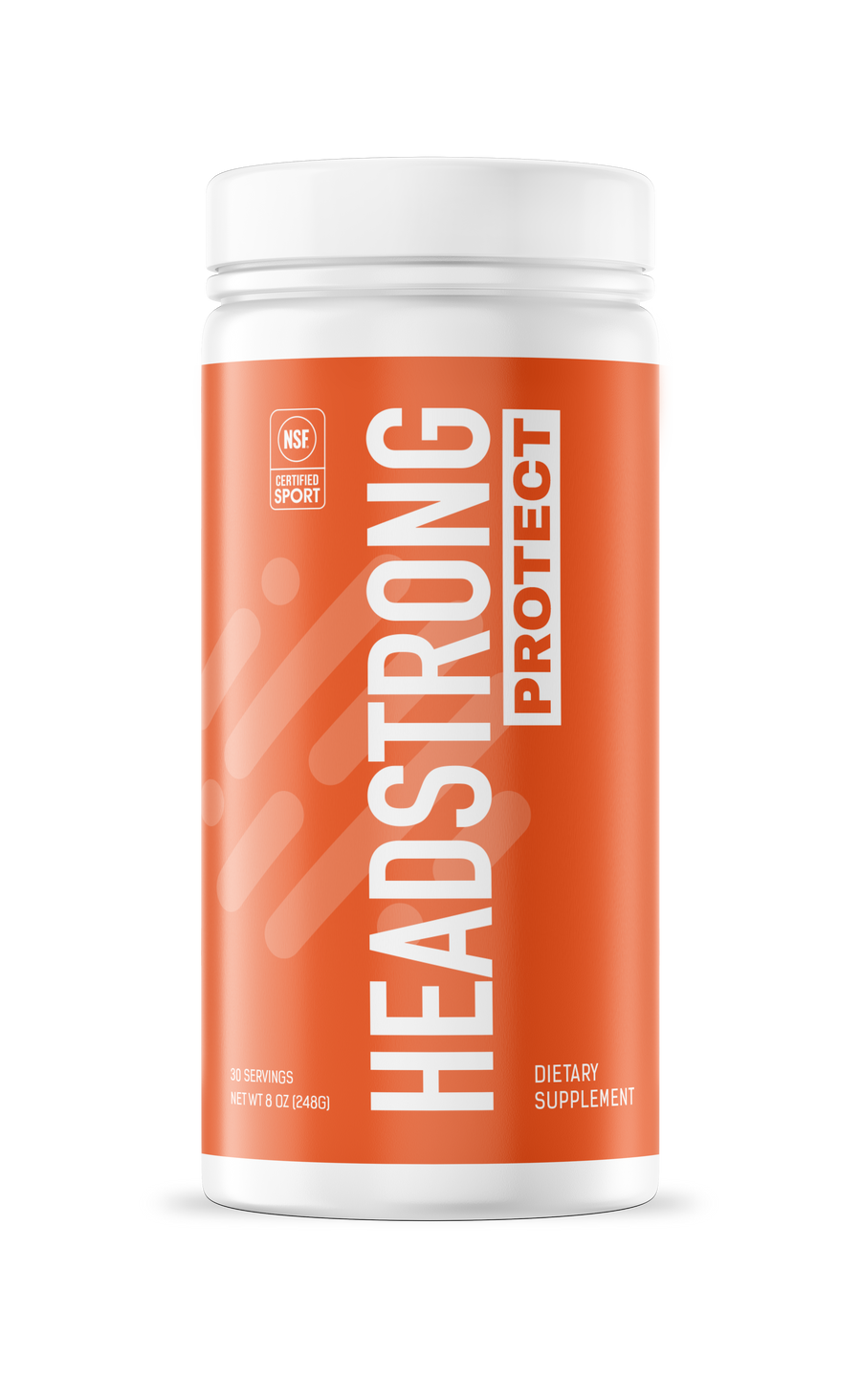
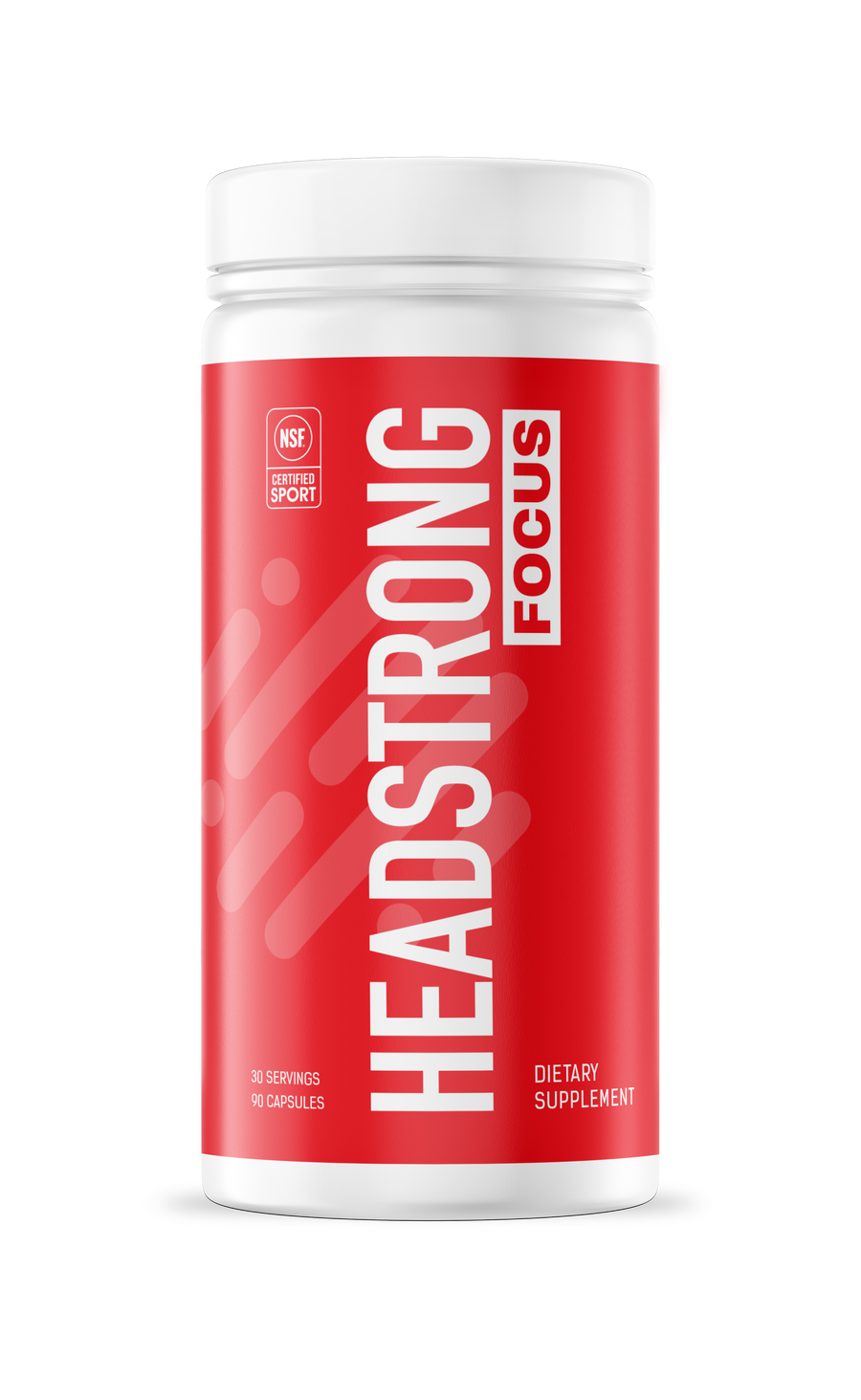
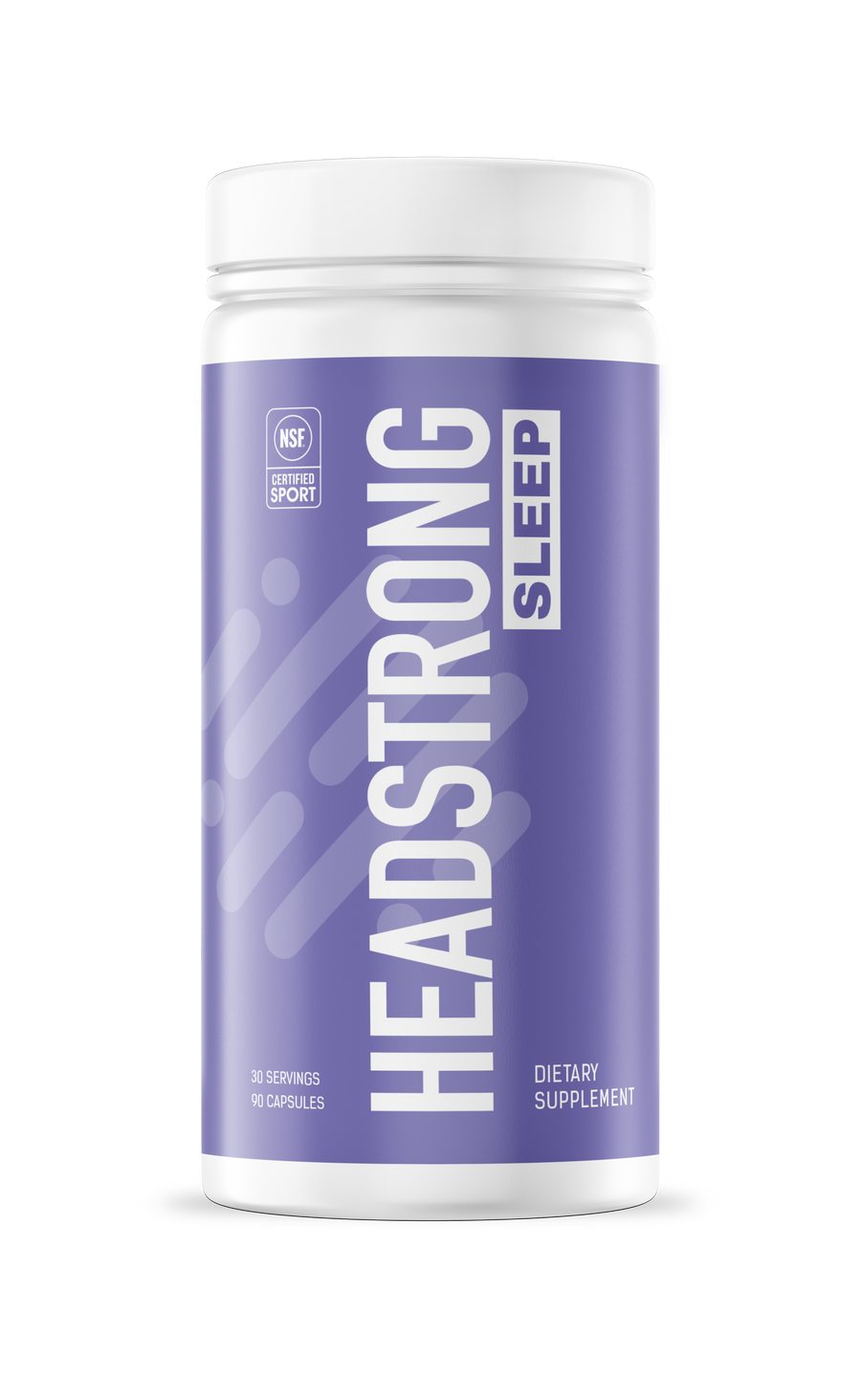
| Headstrong | Daily brain health and cognitive performance | ✅ Yes | Creatine, NAC, Lion's Mane, Ashwagandha, L-Tyrosine | Excellent daily foundation |
| Encharge | Acute focus and sustained energy | ✅ Yes | Paraxanthine, Cognizin® Citicoline, Taurine, L-Tyrosine | Excellent for game day or mentally demanding training |
| Momentous Creatine | Creatine supplementation | ✅ Yes | Creatine Monohydrate | Excellent single-ingredient option |
| Thorne Creatine | Creatine supplementation | ✅ Yes | Creatine Monohydrate | Trusted quality, limited cognitive ingredients |
| Qualia Mind | General nootropic users | ❌ No | Large multi-ingredient blend | Comprehensive, but not athlete focused |
| Mind Lab Pro | Everyday cognitive support | ❌ No | Multi-ingredient nootropic blend | Good general wellness option |
Which Nootropic Is Right for You?
If your goal is long-term brain health...
Look for a supplement that supports the brain every day, not just during competition.
Ingredients such as creatine, L-tyrosine, NAC, and carefully selected adaptogens provide a strong nutritional foundation without relying exclusively on stimulants.
If your goal is game-day focus...
A product containing paraxanthine together with citicoline may provide increased alertness, reaction time, and concentration while avoiding some of the drawbacks associated with high-dose caffeine.
Many athletes prefer reserving these products for practices, competitions, or mentally demanding situations.
If you compete in drug-tested sport...
Always prioritize supplements that are NSF Certified for Sport®.
Independent certification helps reduce the risk of inadvertent contamination with substances prohibited by organizations such as the NCAA, NHL, NFL, MLB, CFL, PGA Tour, WTA, ATP, and many Olympic governing bodies.
No performance benefit is worth risking a failed drug test due to a contaminated supplement.
If you're just starting...
Start simple.
Rather than purchasing five or six different products, choose a transparent formula built around ingredients with the strongest human evidence.
Consistency matters far more than chasing every new ingredient that appears on social media.
Frequently Asked Questions
What is the best nootropic for athletes?
The best nootropic depends on your goals. Athletes looking for daily cognitive support should prioritize evidence-based ingredients such as creatine, citicoline, L-tyrosine, and carefully selected adaptogens. Those seeking acute focus may also benefit from paraxanthine-based products.
Are nootropics safe for athletes?
Many nootropics appear safe when used appropriately, but not every supplement is created equally. Athletes should choose products manufactured by reputable companies, avoid proprietary blends, and prioritize supplements that are NSF Certified for Sport®.
Is creatine considered a nootropic?
Traditionally, creatine has been classified as a sports nutrition ingredient rather than a nootropic. However, growing evidence suggests it supports brain energy metabolism and cognitive performance under demanding conditions, making it one of the most interesting brain-support ingredients available to athletes.
What is the difference between paraxanthine and caffeine?
Paraxanthine is the primary metabolite produced when the body breaks down caffeine. Early research suggests it may provide similar improvements in alertness and focus while potentially producing fewer unwanted side effects such as jitters or post-stimulant crashes. More research is still underway.
Do professional athletes use nootropics?
Many professional athletes use nutritional strategies to support focus, recovery, and cognitive performance. Because elite athletes are frequently drug tested, independently certified supplements are generally preferred over products with unknown quality control.
Can athletes take nootropics every day?
Some ingredients, including creatine, may be appropriate for daily use. Others, particularly stimulant-based products, may be better reserved for specific situations such as competition or demanding training sessions. Athletes should always follow product directions and consult a healthcare professional when appropriate.
Are mushroom supplements good for athletes?
Certain mushrooms, including Lion's Mane, have attracted increasing scientific interest because of their potential role in supporting cognitive function. While early research is promising, more high-quality human studies involving athletes are needed before firm conclusions can be made.
What should I avoid when choosing a nootropic?
Be cautious of products that:
- Hide ingredient amounts inside proprietary blends.
- Promise unrealistic results.
- Rely almost entirely on excessive caffeine.
- Lack third-party testing.
- Make claims unsupported by human research.
Choosing transparent, evidence-based supplements is usually a better long-term strategy.
Final Thoughts
Athletic performance has always been viewed through the lens of strength, speed, endurance, and skill.
Yet every movement begins with the brain.
The ability to anticipate, focus, react, adapt, learn, and make decisions under pressure often separates great athletes from good ones.
As research continues to evolve, nutrition is becoming an increasingly important part of supporting cognitive performance.
While no supplement can replace quality coaching, sleep, training, and recovery, science suggests that carefully selected ingredients may help support the brain systems that underpin athletic performance.
When evaluating any nootropic, prioritize transparency, evidence, and quality.
Look for ingredients supported by human research.
Avoid unnecessary proprietary blends.
If you compete in tested sport, choose products that are NSF Certified for Sport®.
Finally, remember that brain health is not just about performing well this weekend. It's about supporting one of your body's most important organs throughout your athletic career and long after competition ends.
Continue Learning
If you found this guide helpful, you may also enjoy:
- Best Brain Supplements for Athletes (2026): Headstrong vs. Thorne, Momentous & Others Compared
- Brain Fog: Causes, Symptoms, Treatment & Science-Based Ways to Improve Mental Clarity
- Mental Fatigue: Why Your Brain Gets Tired and What the Science Says
- Why Creatine Is More Than Just a Muscle Supplement
- The Science of Paraxanthine: A New Era of Cognitive Performance