Mental fatigue isn't simply being tired.
Everyone feels tired after a demanding day. Mental fatigue is different.

It is a measurable decline in your brain's ability to sustain attention, process information, make decisions and maintain motivation after prolonged cognitive or physical effort. Whether you're an athlete competing late in a game, a parent juggling countless responsibilities, or a professional moving from meeting to meeting, mental fatigue can affect performance long before your body feels exhausted.
Unlike muscle fatigue, mental fatigue often builds gradually. You may notice yourself becoming distracted, slower to react, less motivated or needing far more effort to complete tasks that usually feel routine.
Fortunately, research suggests there are practical, science-backed ways to reduce mental fatigue and improve cognitive performance.
What is mental fatigue?
Mental fatigue is a temporary reduction in cognitive performance caused by sustained mental effort, inadequate recovery, poor sleep, chronic stress or prolonged physical exertion.
Researchers have shown that mental fatigue can influence:
- Attention
- Working memory
- Decision-making
- Reaction time
- Motivation
- Exercise performance
- Perceived effort
Importantly, mental fatigue doesn't mean something is "wrong" with your brain. It usually reflects that your brain has temporarily exhausted many of the resources it depends on for optimal performance.
Common symptoms of mental fatigue
Although everyone experiences mental fatigue differently, common symptoms include:
- Difficulty concentrating
- Slower thinking
- Brain fog
- Reduced motivation
- Feeling mentally drained
- Increased mistakes
- Poor memory
- Reduced productivity
- Slower reaction time
- Feeling overwhelmed by simple tasks
Many people also describe feeling mentally "flat," even after consuming caffeine.
What causes mental fatigue?
Mental fatigue rarely has a single cause.
Instead, several factors often combine.
1. Prolonged cognitive effort
Hours of studying, problem solving, meetings or decision-making place continuous demands on the brain.
2. Poor sleep
Sleep is one of the most important recovery processes for the brain. Even one night of insufficient sleep can impair attention, vigilance and reaction time.
3. Chronic stress
Long-term psychological stress increases cortisol and can interfere with attention, motivation and recovery.
4. High physical training loads
Athletes frequently experience mental fatigue because intense physical training also places significant demands on the central nervous system.
5. Poor nutrition
The brain requires a continuous supply of nutrients and energy to function efficiently. Inadequate nutrition can contribute to reduced cognitive performance over time.
How to recover from mental fatigue
Recovery is rarely about simply "working harder."
The evidence supports several strategies.
Prioritize high-quality sleep
Consistent sleep schedules improve attention, reaction time and cognitive recovery.
Take genuine cognitive breaks
Stepping away from demanding work allows attentional resources to recover more effectively than simply switching between digital tasks.
Manage stress
Exercise, mindfulness, breathing exercises and spending time outdoors can all reduce chronic stress and support recovery.

Stay physically active
Regular exercise improves blood flow to the brain and has consistently been associated with better cognitive function.
Support your brain nutritionally
The brain requires amino acids, antioxidants and energy substrates to function optimally. A nutrient-rich diet forms the foundation, while some evidence suggests certain ingredients may further support cognitive performance during periods of prolonged demand.
Can supplements help with mental fatigue?
Although no supplement can replace sleep, stress management and healthy lifestyle habits, some ingredients have been studied for their role in supporting brain energy metabolism, neurotransmitter production and cognitive resilience.
These include:
- Creatine monohydrate
- L-Tyrosine
- Lion's Mane mushroom
- Ashwagandha (KSM-66®)
- N-Acetyl Cysteine (NAC)
Each works through different physiological pathways rather than acting as a stimulant.
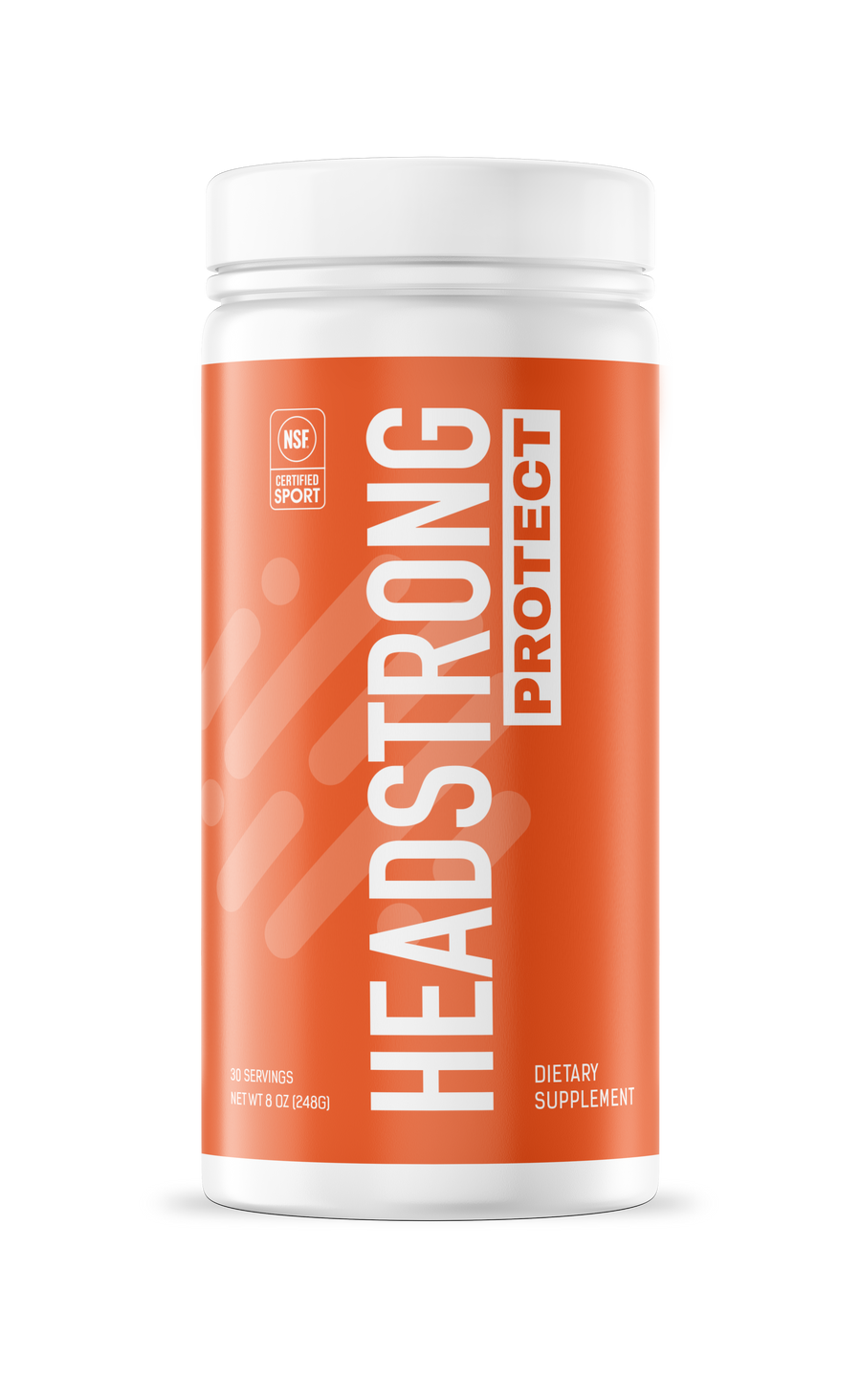
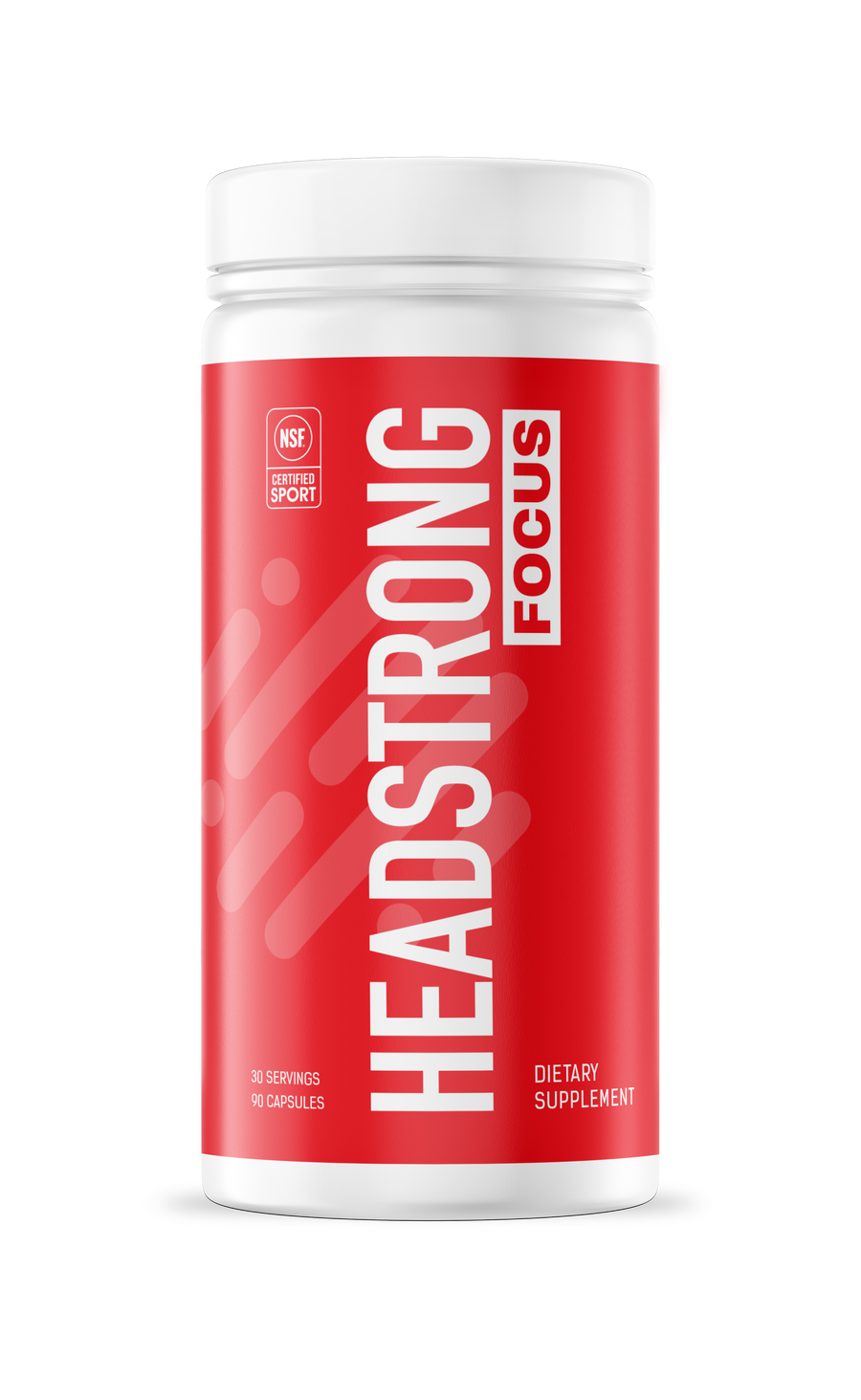
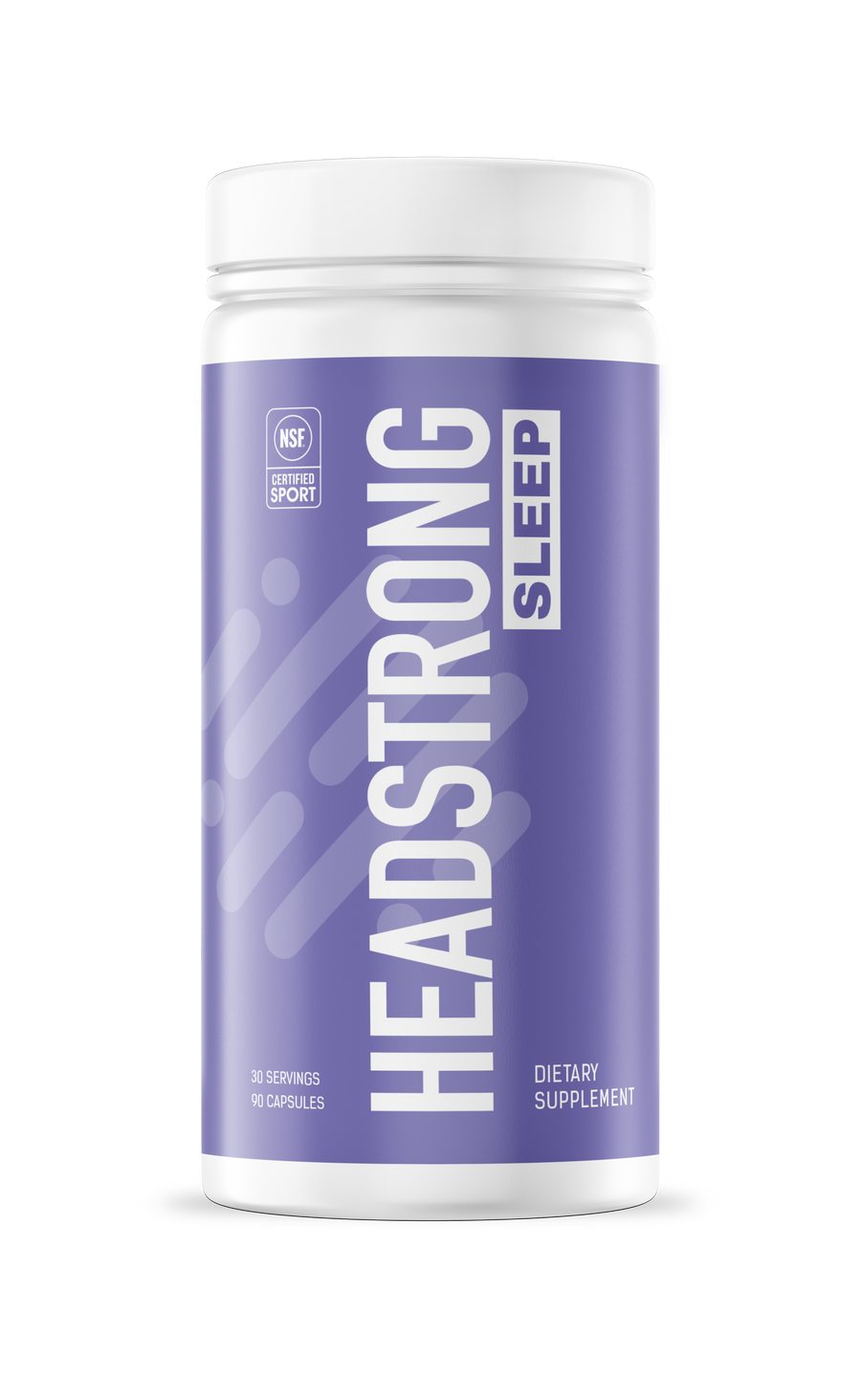
Learn how Headstrong approaches mental fatigue
At Headstrong, we developed our formula around the science of brain energy, stress resilience and cognitive performance rather than relying on stimulants alone.
Our complete guide explains:
- What mental fatigue is
- Why it develops
- The science behind recovery
- The evidence supporting each ingredient in our formula
👉 Read our complete Mental Fatigue resource here: Headstrong Fixes Mental Fatigue
Final thoughts
Mental fatigue is becoming increasingly common in athletes, entrepreneurs, students and busy professionals.
The encouraging news is that it is often reversible.
Better sleep, effective stress management, regular physical activity, proper nutrition and evidence-based supplementation can all contribute to better cognitive performance and improved recovery over time.
Rather than masking fatigue, the goal should be supporting the systems that allow your brain to perform at its best.
Frequently Asked Questions
What is mental fatigue?
Mental fatigue is a temporary decline in cognitive performance caused by prolonged mental or physical effort, poor sleep, stress or inadequate recovery.
What are the symptoms of mental fatigue?
Common symptoms include difficulty concentrating, brain fog, slower thinking, poor motivation, increased mistakes, slower reaction times and feeling mentally drained.
How long does mental fatigue last?
Recovery varies depending on the cause. Mild mental fatigue may improve after quality sleep and rest, while fatigue caused by chronic stress or prolonged workload may require longer-term lifestyle changes.
Is mental fatigue the same as brain fog?
Not exactly. Brain fog describes a collection of symptoms, while mental fatigue refers to one of the underlying physiological states that can contribute to those symptoms.
Can exercise cause mental fatigue?
Yes. High-intensity or prolonged training, particularly when combined with cognitive demands, can contribute to mental fatigue.
Can caffeine fix mental fatigue?
Caffeine may temporarily improve alertness, but it does not address many of the underlying physiological contributors to mental fatigue such as poor sleep, chronic stress or inadequate recovery.
What foods help reduce mental fatigue?
A balanced diet rich in protein, omega-3 fats, fruits, vegetables and whole grains provides nutrients that support brain health and cognitive performance.
Can supplements help mental fatigue?
Some ingredients, including creatine, L-tyrosine, Lion's Mane, Ashwagandha and NAC, have been studied for supporting aspects of cognitive performance and resilience. Supplements should complement, not replace, healthy lifestyle habits.
Keep reading
- Brain Fog: Causes, Symptoms and Science-Backed Ways to Improve Mental Clarity
- Why Elite Athletes Need More Than Muscle: The Cognitive Demands of Sport
- How Sleep Affects Athletic Performance and Recovery
- Dr. Darren Burke on Brain-First Performance: What Pro Athletes Taught Me About Focus, Energy and Recovery