If you've ever walked into a room and forgotten why, struggled to find the right word in a conversation, or felt mentally exhausted despite getting enough sleep, you're not alone.

Millions of people describe this feeling as brain fog.
Brain fog isn't a medical diagnosis. Instead, it's a collection of symptoms that can affect attention, memory, mental clarity, decision-making, and cognitive performance.
While occasional mental fatigue is normal, persistent brain fog shouldn't simply be accepted as part of getting older, working harder, or living a busy life.
At Headstrong, our mission is helping people better understand and support their brain. Co-founded by Dr. Darren Burke, a PhD exercise physiologist and former university professor, alongside professional hockey player Evan Nause, Headstrong was built on one simple idea:
Your brain deserves the same attention you've always given the rest of your body.
In this guide, we'll explain what brain fog is, what causes it, and the science-backed strategies that may help improve mental clarity and long-term brain health.
What Is Brain Fog?
Brain fog describes a state of reduced mental performance.
People commonly experience:
- Difficulty concentrating
- Poor focus
- Forgetfulness
- Mental fatigue
- Slower thinking
- Difficulty making decisions
- Reduced productivity
- Trouble finding words
- Feeling mentally "cloudy"
Brain fog isn't a disease itself.
Instead, it's usually a signal that something affecting normal brain function deserves attention.
Common Symptoms of Brain Fog
Brain fog looks different from person to person, but common symptoms include:
- Trouble concentrating
- Reduced attention span
- Forgetting names or appointments
- Slower information processing
- Difficulty multitasking
- Feeling mentally drained
- Reduced motivation
- Poor reaction time
- Trouble recalling words
- Feeling overwhelmed by simple tasks
Many people notice these symptoms become worse during periods of stress, poor sleep, illness, or heavy workloads.
What Causes Brain Fog?
Brain fog rarely has one single cause.
Instead, it's often influenced by multiple lifestyle, physiological, and medical factors.
1. Poor Sleep
Sleep is when the brain performs many of its most important maintenance functions.
Insufficient or poor-quality sleep can impair attention, memory, decision-making, reaction time, and emotional regulation.
2. Chronic Stress
Long-term psychological stress increases cortisol production and may negatively affect areas of the brain involved in memory and executive function.
Over time, chronic stress can contribute to persistent mental fatigue.
3. Poor Nutrition
Your brain accounts for only about 2% of your body weight but consumes roughly 20% of your daily energy.
Nutrient deficiencies and poor dietary patterns may contribute to reduced cognitive performance.
4. Physical Inactivity
Regular exercise increases blood flow to the brain and has consistently been associated with improved cognitive function and reduced risk of cognitive decline.
5. Dehydration
Even mild dehydration has been shown to negatively affect attention, mood, and mental performance.
6. Hormonal Changes
Pregnancy, menopause, thyroid disorders, and other hormonal changes may contribute to brain fog in some individuals.
7. Certain Medical Conditions
Brain fog has been associated with numerous medical conditions, including:
- Long COVID
- Depression
- Anxiety
- Autoimmune disorders
- Chronic fatigue syndrome
- Sleep apnea
- Vitamin deficiencies
If symptoms are persistent, severe, or worsening, speak with a qualified healthcare professional.
Science-Backed Ways to Improve Mental Clarity
There is no single solution for brain fog.
Instead, improving cognitive performance often requires supporting multiple biological systems.
Prioritize Sleep
Consistent, high-quality sleep remains one of the most effective interventions for improving cognitive performance.
Adults should generally aim for 7–9 hours per night.
Exercise Regularly
Exercise increases blood flow to the brain and promotes numerous adaptations associated with better cognitive health.
Both aerobic exercise and resistance training have demonstrated cognitive benefits.
Manage Stress
Meditation, breathing exercises, mindfulness, and regular physical activity can all help reduce chronic stress.

Stay Hydrated
Hydration plays an important role in maintaining normal cognitive function.
Eat a Brain-Healthy Diet
A dietary pattern rich in:
- fruits
- vegetables
- whole grains
- lean protein
- healthy fats
has been associated with better long-term brain health.
Support Your Brain with Evidence-Based Ingredients
Nutrition can also include targeted supplementation when appropriate.
Several ingredients have growing scientific evidence supporting various aspects of brain health.
These include:
Creatine
While best known for muscle performance, creatine also plays an essential role in cellular energy production throughout the body, including the brain.
Emerging research suggests creatine may support cognitive performance, particularly during periods of sleep deprivation, demanding mental work, or increased energy demands.
N-Acetyl Cysteine (NAC)
NAC serves as a precursor to glutathione, one of the body's primary antioxidants.
Researchers continue investigating its role in supporting healthy brain function.
Lion's Mane Mushroom
Lion's Mane has attracted significant research interest for its potential role in supporting cognitive function and healthy nerve growth.
Ashwagandha
Ashwagandha is widely studied for helping the body manage stress and supporting healthy cortisol responses.
L-Tyrosine
Tyrosine is an amino acid involved in producing several neurotransmitters important for attention and cognitive performance, particularly during stressful situations.
Why Headstrong Takes a Different Approach
Many brain supplements focus on just one ingredient.
Others rely heavily on stimulants.
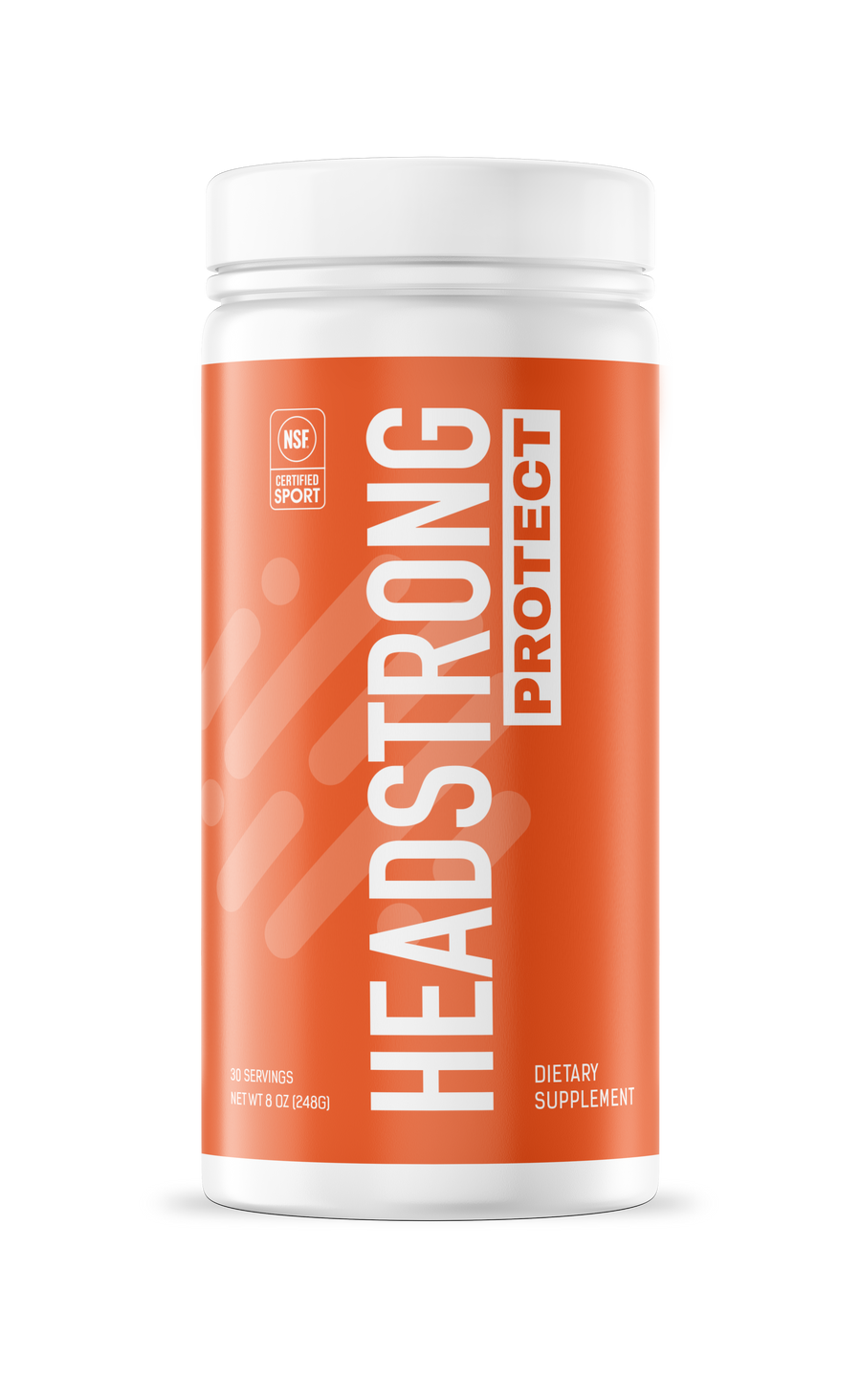
At Headstrong, we believe supporting your brain means supporting more than one biological pathway.
That's why Headstrong combines:
- 5 g Creatine
- N-Acetyl Cysteine (NAC)
- Lion's Mane
- Ashwagandha
- L-Tyrosine
into one convenient daily scoop.
Rather than asking people to purchase and remember multiple separate supplements, our goal is to make supporting brain health simple enough to become a daily habit.
Frequently Asked Questions
What is brain fog?
Brain fog is a non-medical term used to describe symptoms such as poor concentration, forgetfulness, slower thinking, mental fatigue, and difficulty focusing.
Is brain fog permanent?
Usually not.
Many causes of brain fog are reversible once the underlying issue is identified and addressed.
Can stress cause brain fog?
Yes.
Chronic stress is one of the most common contributors to reduced cognitive performance and mental fatigue.
Does poor sleep cause brain fog?
Absolutely.
Sleep plays a critical role in memory, attention, learning, and overall cognitive performance.
Can creatine help brain health?
Creatine is well established for muscle performance and is increasingly being studied for its role in supporting brain energy metabolism and cognitive function, particularly under conditions of increased demand. Research in this area is ongoing.
What supplements may support mental clarity?
Several ingredients have been studied for supporting aspects of cognitive function, including creatine, N-Acetyl Cysteine (NAC), Lion's Mane, L-Tyrosine, and Ashwagandha. Their effects vary depending on the individual, the outcome being measured, and the quality of the available evidence.
Is brain fog a medical condition?
Brain fog itself is not a medical diagnosis. Persistent or worsening symptoms should be evaluated by a healthcare professional to identify any underlying medical causes.
Final Thoughts
Brain fog has become so common that many people assume it's simply part of modern life.
It doesn't have to be.
While there's no single solution, prioritizing sleep, exercise, stress management, nutrition, hydration, and evidence-informed supplementation can all contribute to better mental performance over time.
At Headstrong, we believe supporting your brain should be as routine as supporting the rest of your body.
Because your brain isn't just another organ.
It's your greatest performance asset.
References
- Cadar D, et al. The Lancet Healthy Longevity. Cognitive ageing and lifestyle factors.
- Kreider RB, et al. International Society of Sports Nutrition Position Stand: Creatine Supplementation.
- Gomes K, et al. Creatine supplementation and cognitive function: A systematic review.
- Smith PJ, et al. Physical activity and cognitive function.
- Walker MP. Why We Sleep.
- National Institute on Aging. Brain Health and Cognitive Function.
- World Health Organization. Healthy ageing and cognitive health.
This article is intended for educational purposes only and should not be considered medical advice. Always consult a qualified healthcare professional regarding persistent cognitive symptoms or before beginning any new supplement regimen.