Most athletes know creatine as a muscle supplement. But research over the past two decades has expanded well beyond the gym — and what's emerging about creatine and the brain is worth paying attention to.
Here's what the science actually says.
What creatine does in the body
Creatine is a naturally occurring compound found primarily in muscle tissue and the brain. It plays a central role in energy metabolism — specifically in regenerating ATP, the molecule your body uses for fuel during high-intensity effort.
When you supplement with creatine, you increase the available pool of phosphocreatine your body can draw from. Most of the research to date has focused on what that means for muscles. But the brain also relies on ATP for nearly everything it does — focus, decision-making, reaction time, memory, and recovery from stress.
What the research says about creatine and the brain
A landmark study published in the Proceedings of the Royal Society found that creatine supplementation significantly improved working memory and intelligence test scores in participants under cognitive stress. (Reference: pubmed.ncbi.nlm.nih.gov/14561278)
Other research has found that creatine may help reduce mental fatigue, support recovery from mild traumatic brain injury, and maintain cognitive performance during periods of sleep deprivation — all directly relevant to athletes competing under pressure.
Why this matters for contact sport athletes
Contact sport athletes face a level of neurological demand that most supplements completely ignore. Every collision, every high-stress decision, every late-game situation draws on the same brain energy systems that creatine supports.
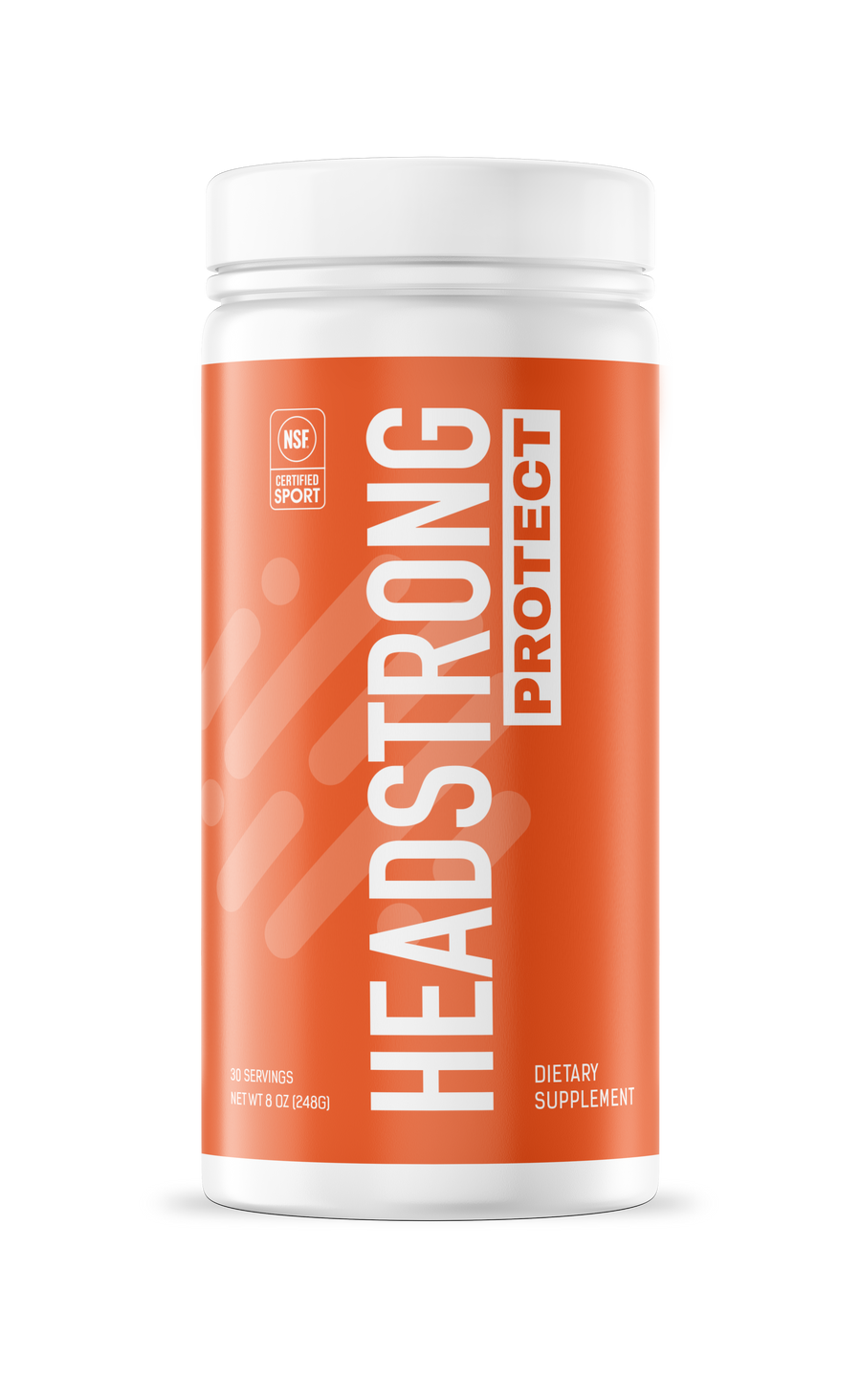
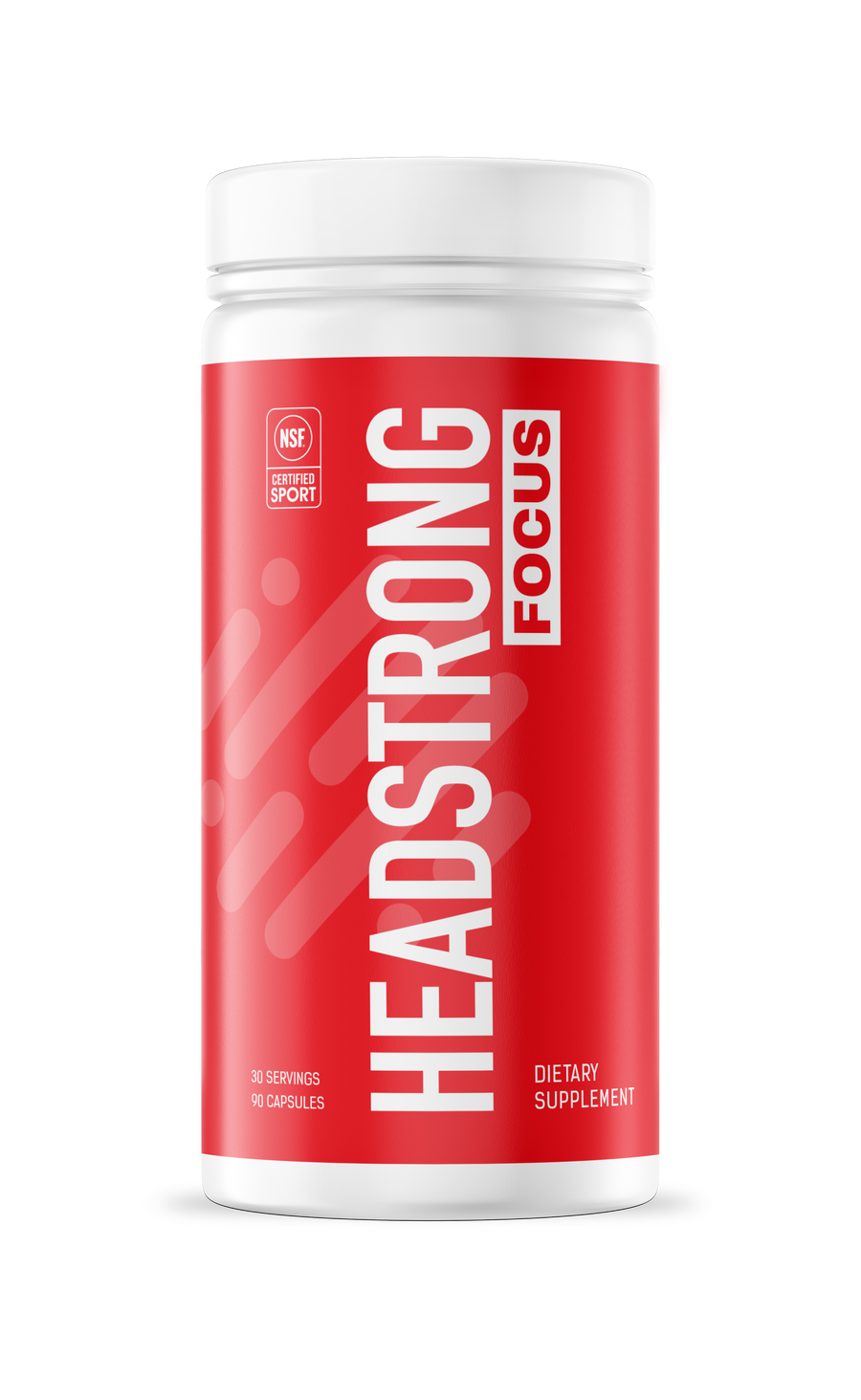
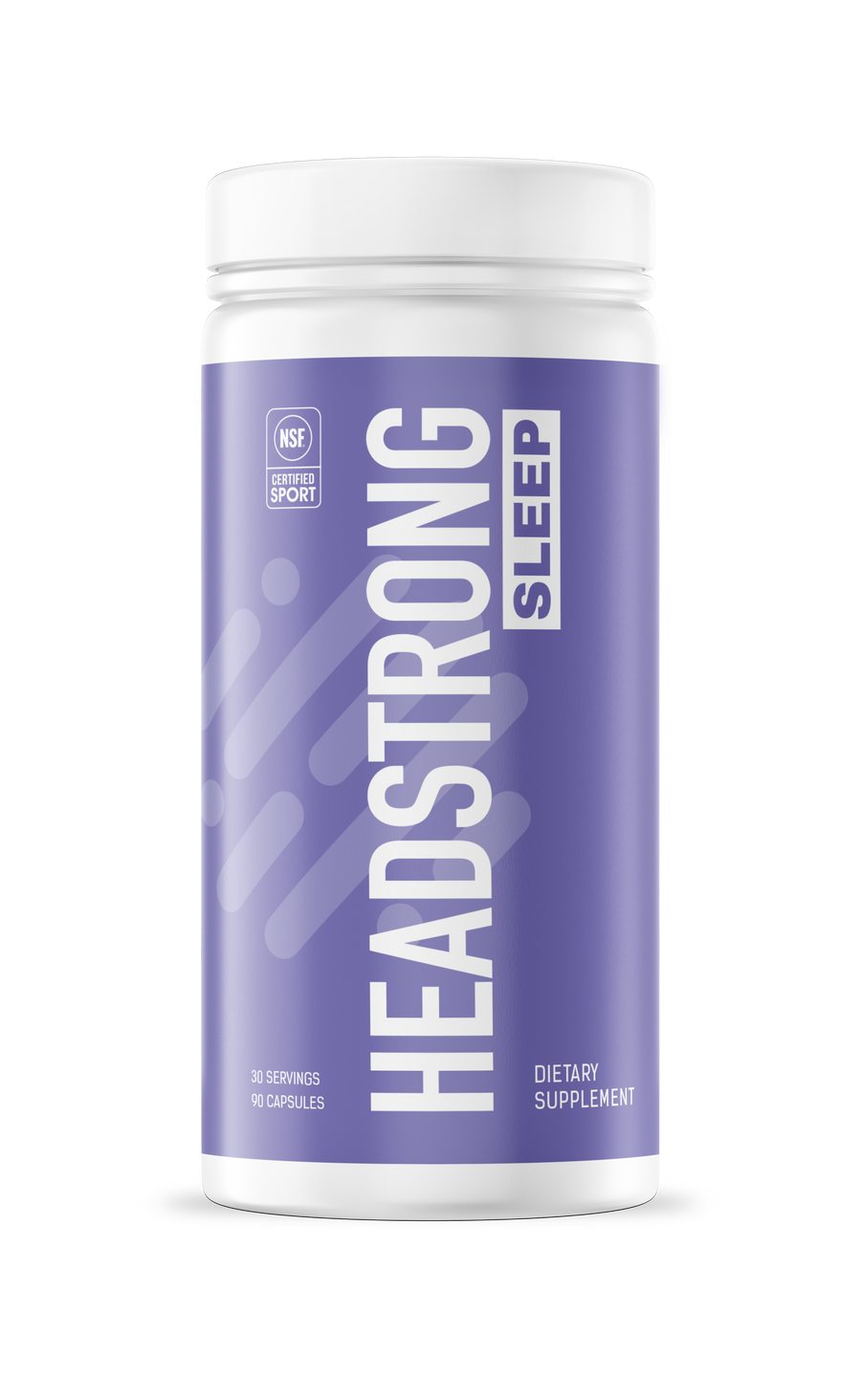
Most creatine products are still built entirely around muscle output. Headstrong was built differently — starting with the brain.
Headstrong combines the daily recommended dose of creatine with Lion's Mane Mushroom, N-Acetyl Cysteine, Ashwagandha, and L-Tyrosine — a formulation designed to support brain energy, cognitive resilience, and long-term neuroprotection in one daily serving.
The bottom line
Creatine is one of the most researched supplements in sports nutrition — and the evidence for its role in brain health is growing. If you're already taking creatine for performance, you should know it may be doing more than you think. And if you're not taking it yet, brain health is now one more reason to start.