Lion's Mane has gone from obscure medicinal mushroom to one of the most talked-about ingredients in brain health. But for athletes, the relevant question is not whether it's trending — it's whether it actually does anything useful.

Here's what the research says.
What is Lion's Mane?
Lion's Mane — known scientifically as Hericium erinaceus — is an edible medicinal mushroom that has been used in traditional Eastern medicine for centuries. It contains two groups of bioactive compounds unique to this species: hericenones and erinacines.
These compounds have attracted significant scientific interest because of their ability to stimulate the production of nerve growth factor — a protein that plays a central role in the maintenance, repair, and regeneration of neurons.
What nerve growth factor has to do with performance
Nerve growth factor, or NGF, is involved in the survival and function of neurons in the brain and peripheral nervous system. It supports the growth of new nerve connections, helps maintain existing ones, and plays a role in the brain's ability to adapt and recover from stress.
For athletes — particularly those in contact sports who experience repeated physical demands on the nervous system — ingredients that support neurological resilience and recovery are worth paying close attention to.
What the research shows in humans
Human research on Lion's Mane is still developing, but the clinical evidence is promising. A randomized, double-blind, placebo-controlled study published in the journal Nutrients found that Lion's Mane supplementation in healthy young adults resulted in faster performance on cognitive tasks and a trend toward reduced subjective stress after 28 days. (Reference: pubmed.ncbi.nlm.nih.gov/38004235)
Other research has shown improvements in mood and cognitive function in middle-aged and older adults. Preclinical studies consistently show Lion's Mane reducing markers of neuroinflammation, supporting neuronal repair, and improving performance on memory and learning tasks.
The honest picture is that larger, longer human trials are still needed — and Headstrong communicates that transparently. But the mechanism is well-supported, the safety profile is excellent, and the early human evidence is encouraging enough that it earned its place in the Headstrong formula.
Why it's in Headstrong
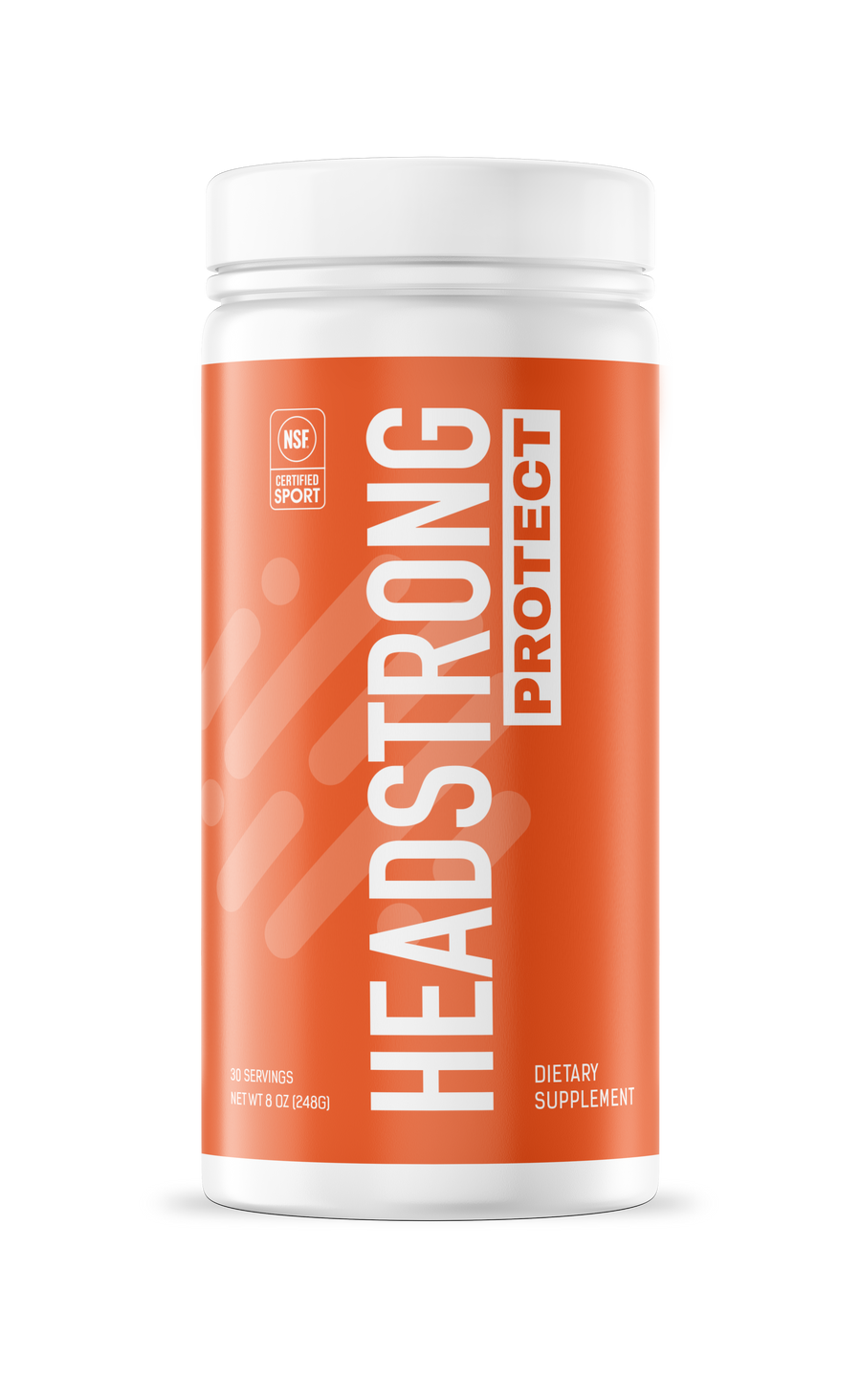
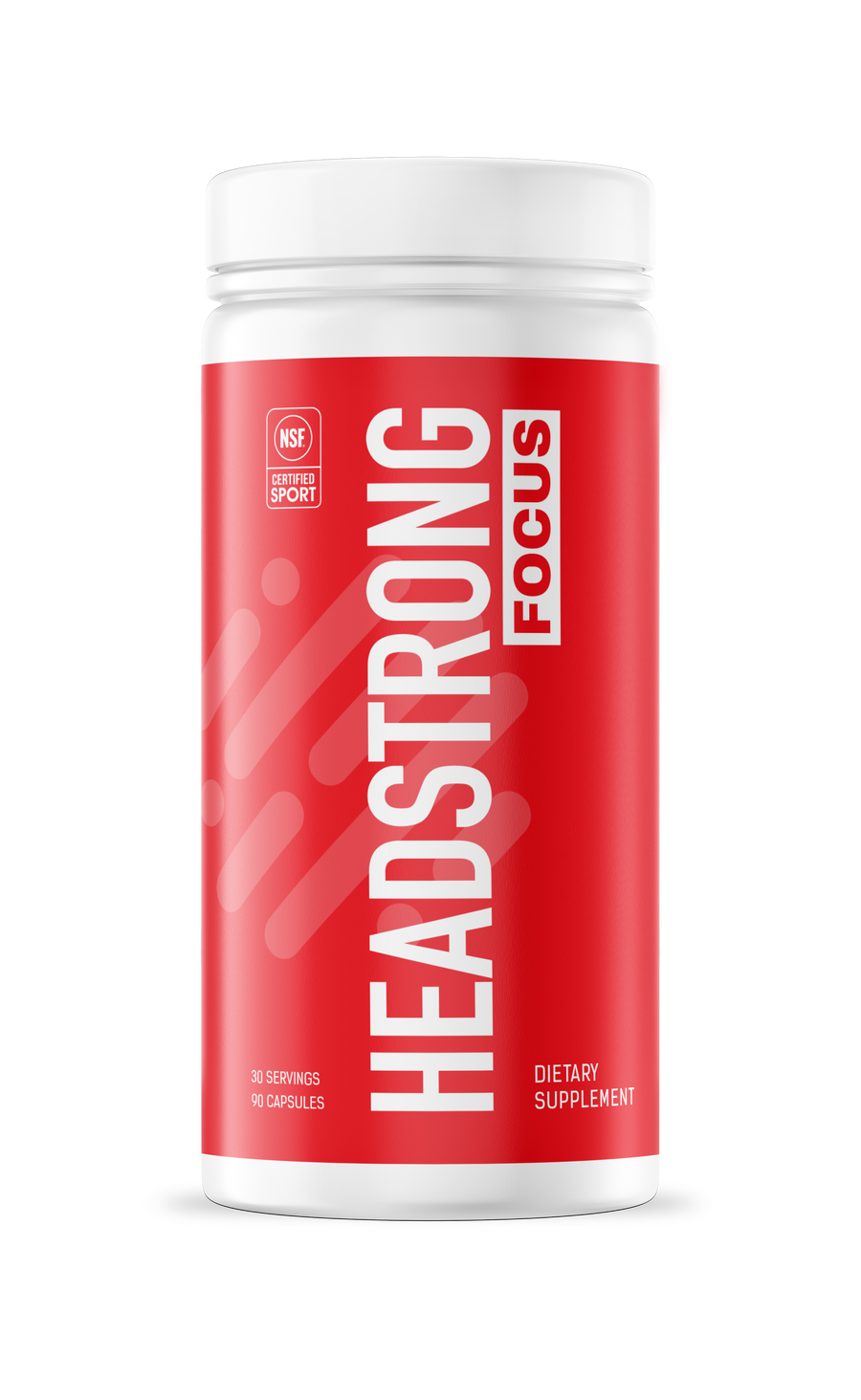
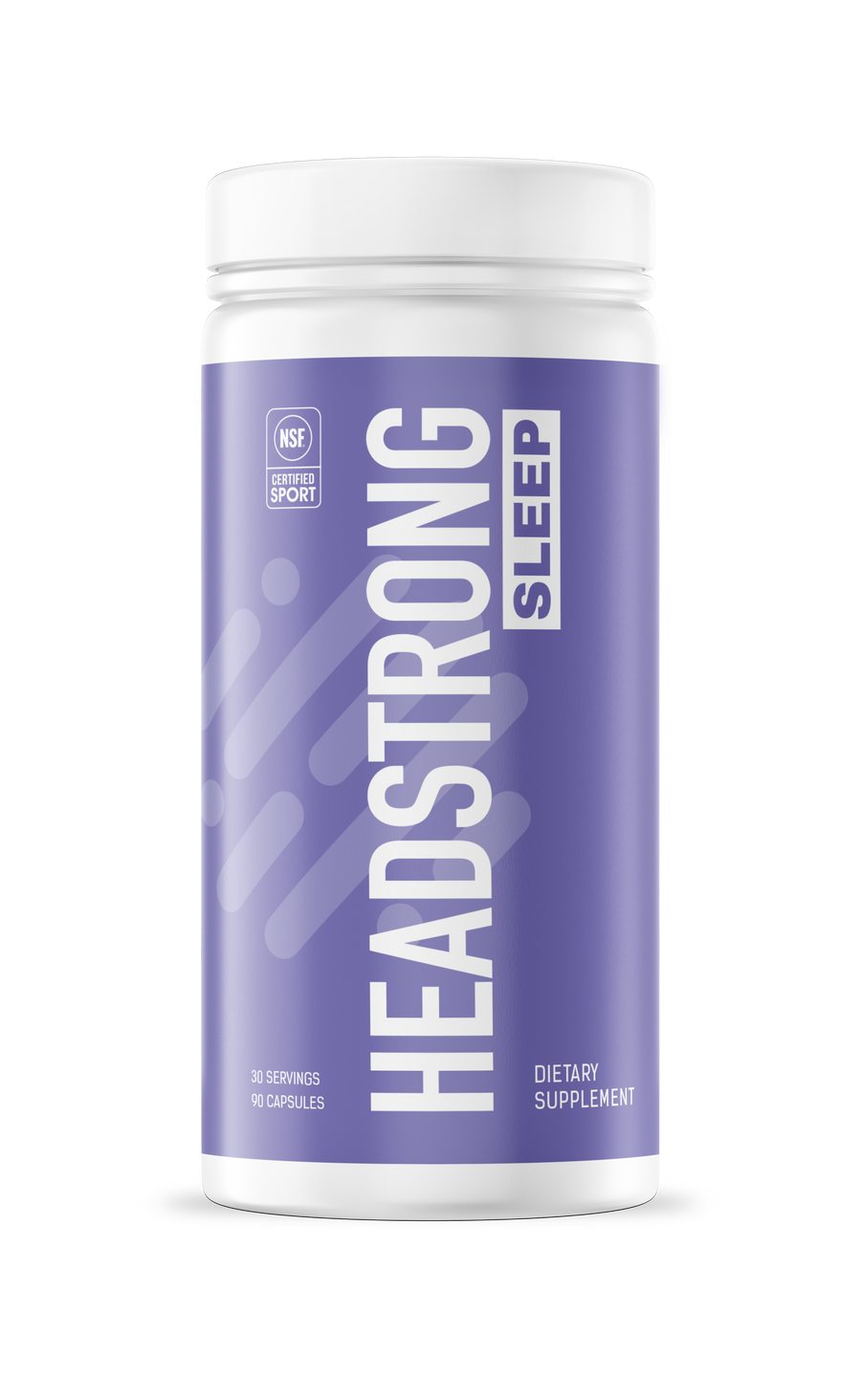
Headstrong was built with a brain-first lens by Dr. Darren Burke, a sports scientist with deep experience in performance nutrition. Every ingredient in the formula was chosen for a specific role.
Lion's Mane is in Headstrong for its potential to support neurological resilience and recovery — the long game that most performance supplements completely ignore. Combined with creatine for brain energy, NAC for antioxidant protection, Ashwagandha for stress regulation, and L-Tyrosine for focus under pressure, it forms part of a complete daily brain support system for athletes.
Who should be paying attention to Lion's Mane
If you play a contact sport, train at high intensity regularly, or simply want to support your cognitive performance and long-term brain health, Lion's Mane is an ingredient worth understanding.
It is not a stimulant. It does not produce an acute buzz or immediate effect. It is a daily support ingredient — one that works best as part of a consistent routine over time.
That is exactly how Headstrong was designed to be used.
[Shop Headstrong — The Athletes Creatine]