Every athlete knows training and nutrition matter. But sleep is the variable that most athletes underinvest in — and the research on what poor sleep actually costs you is striking.

What happens to your brain during sleep
Sleep is not passive recovery. It is when the brain actively clears metabolic waste, consolidates memory and motor learning, regulates hormones, and repairs the cellular damage accumulated during the day.
For athletes, this matters across every dimension of performance. The brain processes the technical and tactical learning from training during sleep. Growth hormone — critical for muscle repair and recovery — is released primarily during deep sleep. Cortisol regulation, immune function, and inflammatory response are all directly tied to sleep quality and duration.
Shortchange sleep and you shortchange every other part of your preparation.
What the research says about sleep and performance
The science on sleep deprivation and athletic performance is consistent and sobering.
Studies have shown that even moderate sleep restriction — six hours per night for two weeks — produces cognitive impairments equivalent to 24 hours of total sleep deprivation. Reaction time slows. Decision-making accuracy drops. Perceived effort increases, meaning the same physical output feels harder.
Research on NBA players found that sleep extension — deliberately increasing sleep duration — led to measurable improvements in sprint speed, shooting accuracy, and reaction time. Similar findings have been replicated in other sports.
For contact sport athletes, the cognitive dimension of sleep loss is particularly relevant. Slower reaction time and reduced decision-making under pressure are not just performance problems — in contact sports, they are safety concerns.
Sleep and brain recovery in contact sports
Contact sport athletes face an additional layer of recovery demand that most sleep research does not fully address. Repeated physical stress to the head and body during competition creates a neurological recovery burden that accumulates across a season.
Sleep is when the brain's glymphatic system — its waste clearance mechanism — is most active. This system flushes metabolic byproducts from brain tissue, including compounds associated with neurological stress. Deep, restorative sleep is when this process is most efficient.
Supporting the quality of sleep is therefore not just about feeling rested. For contact sport athletes, it is directly tied to how well the brain recovers from the demands of competition.
What gets in the way of quality sleep for athletes
Athletes face a specific set of sleep disruptors that the general population does not:
- Evening games and late travel disrupting circadian rhythm
- High cortisol levels following intense competition making it hard to wind down
- Physical discomfort from contact and injury interrupting sleep architecture
- Back-to-back schedules compressing recovery windows
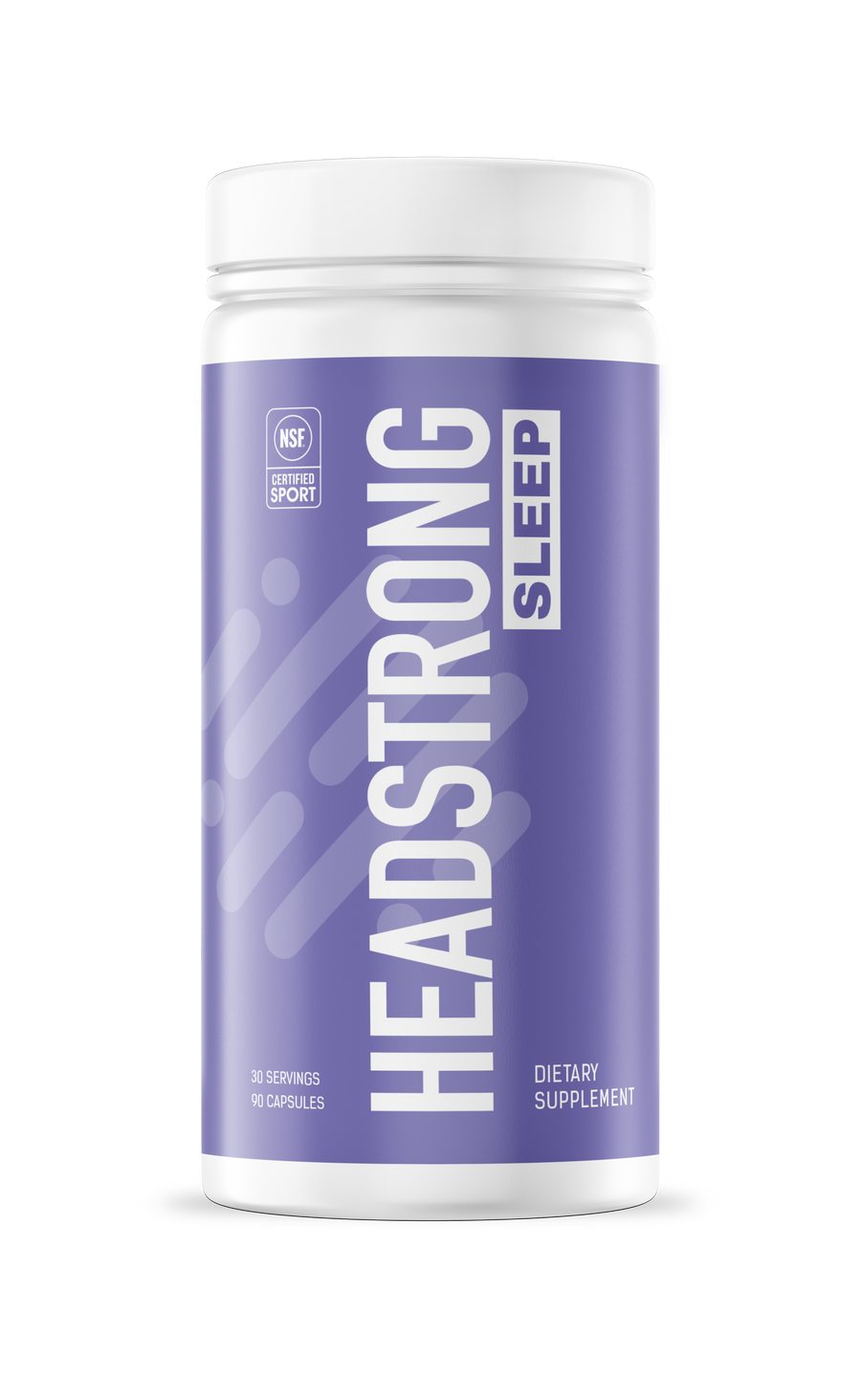
Managing these variables requires more than good sleep hygiene. Targeted nutritional support for sleep quality and recovery depth is where Sleeptite was built to help.
Why Headstrong built Sleeptite
Sleeptite is The Athletes Sleep Formula — designed specifically for the recovery demands of contact sport athletes. It supports deep restorative sleep, overnight brain and body recovery, and next-day readiness.
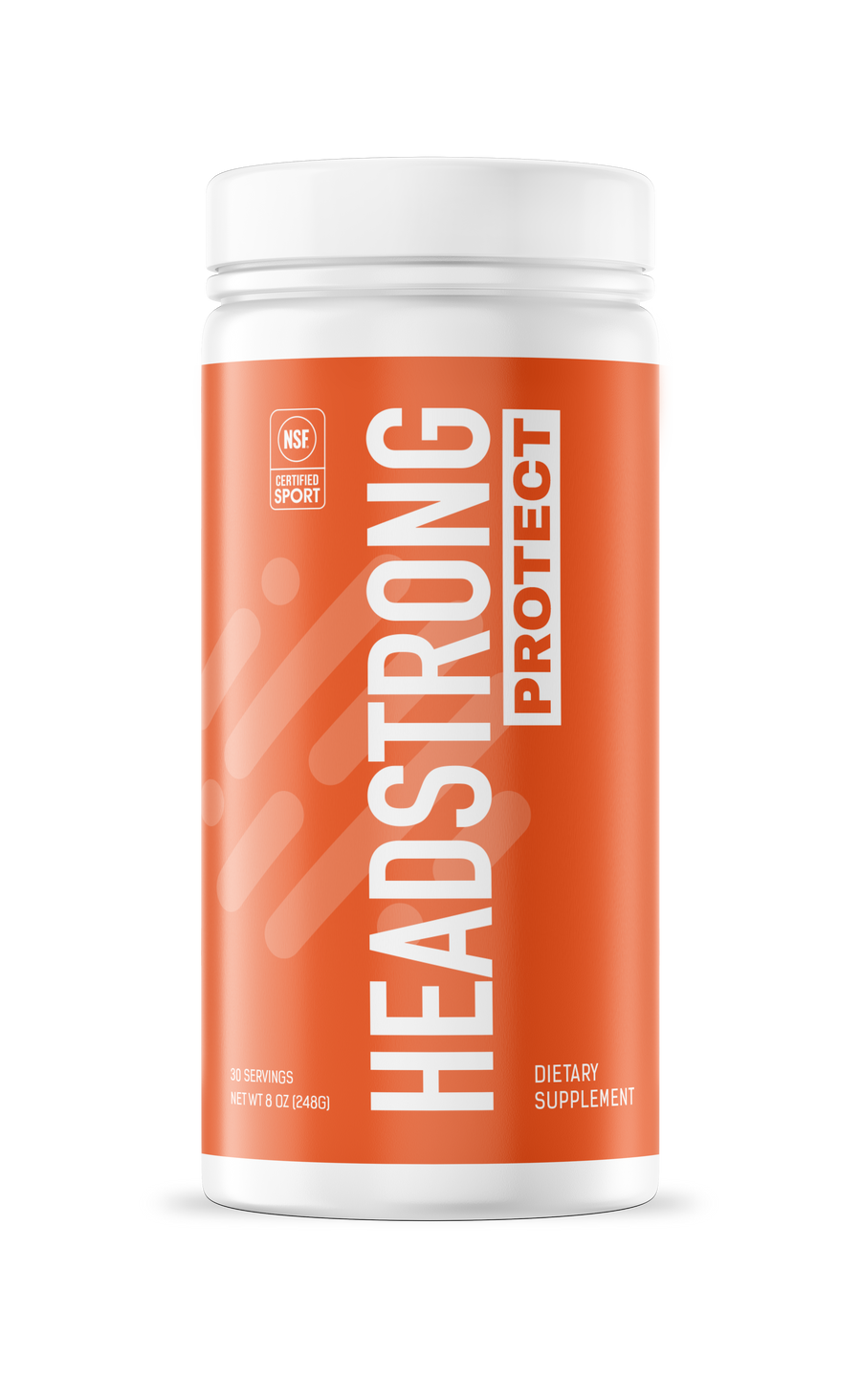
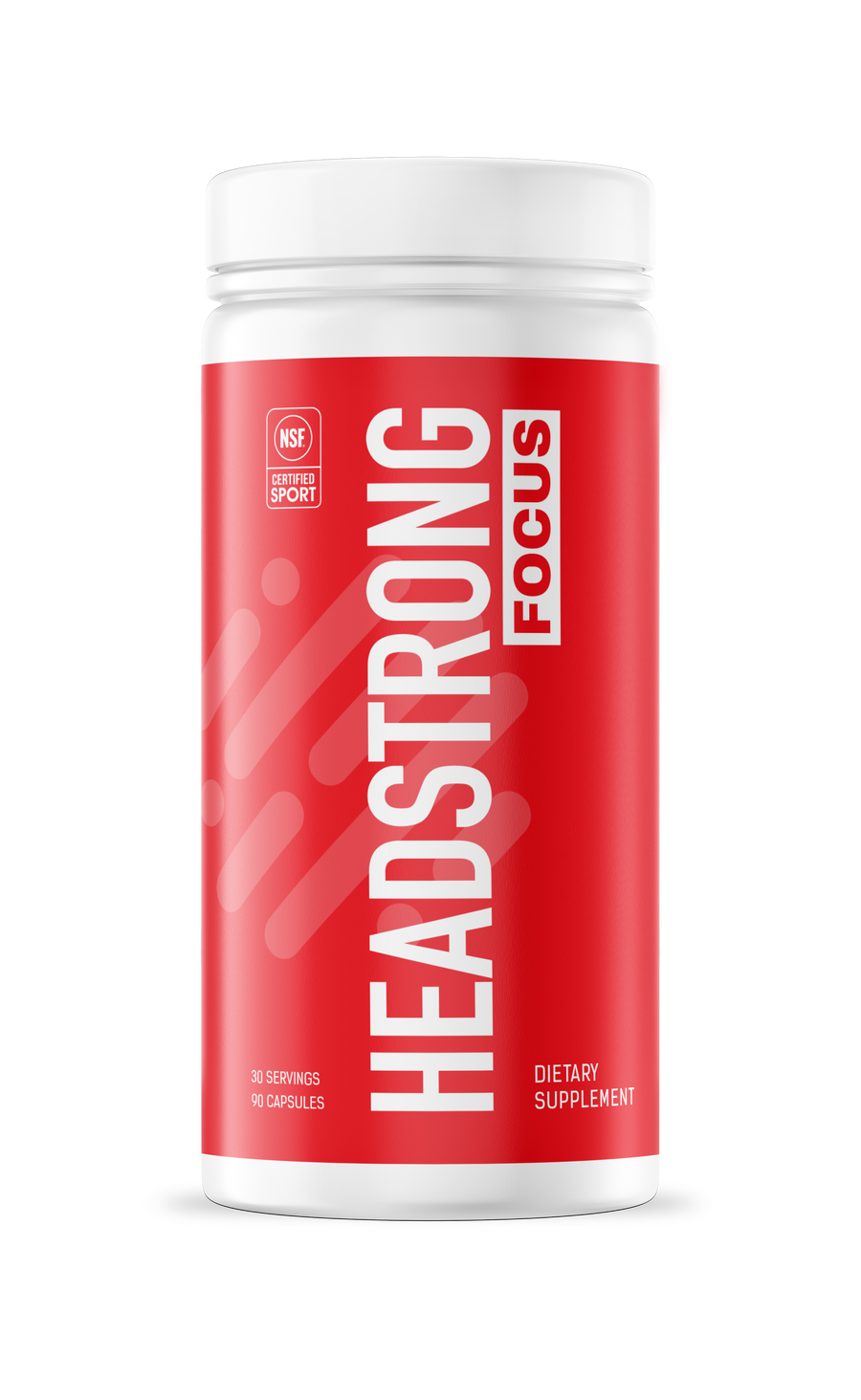
Like every product in the Headstrong lineup, Sleeptite is NSF Certified for Sport — tested for banned substances and safe for athletes competing at any level.
Because the best training day starts the night before.
[Shop Sleeptite — The Athletes Sleep Formula]